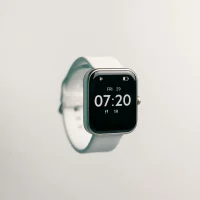
If you spend serious time outdoors, the Field 2 is the easiest recommendation we can make. Two-week battery life isn't marketing - we measured 13 days 9 hours with the always-on display and dual-band GPS active periodically.

AuroraTime Field 2 Ratings
-
Fitness Tracking4.7 /5
Strong workout profiles, especially for trail use.
-
Display & Build4.6 /5
MIP display, fiber-reinforced polymer case.
-
Smart Features3.8 /5
No NFC, music limited to controls only.
-
App Ecosystem4.0 /5
Curated store - smaller than Wear OS.
AuroraTime Field 2 Pros & Cons
-
13+ days of battery in real-world testing
-
MIL-STD-810H drop and shock rating
-
Onboard topographic maps with offline downloads
-
Dual-band GPS with multi-GNSS support
-
MIP display lacks the punch of AMOLED rivals
-
No NFC payments
-
Smartwatch features feel secondary to outdoor focus
AuroraTime Field 2 Features
-
Heart rate monitor
Wrist-based with optional chest-strap support.
-
SpO2 sensor
Includes altitude acclimation tracking.
-
GPS
Dual-band L1+L5 with GLONASS, Galileo, BeiDou.
-
Sleep tracking
Includes a recovery time estimator.
-
Water resistance
10 ATM, suitable for snorkeling.
-
ECG
Not supported on Field-series watches.
-
NFC payments
Not supported.
-
LTE/Cellular
No cellular model offered.
-
Music storage
Music controls only - no onboard storage.
-
Voice assistant
Not available.
AuroraTime Field 2 Specifications
- Display
- 1.3" MIP, transflective
- Case material
- Fiber-reinforced polymer with steel bezel
- Battery life
- Up to 14 days (smartwatch mode)
- Charging
- Proprietary cable, 0-100% in 90 minutes
- Connectivity
- Wi-Fi 5, Bluetooth 5.0, ANT+
- Weight
- 52 g (case only)
- Compatibility
- iOS 15+ and Android 10+
- Storage
- 16 GB
- Sensors
- Optical HR, SpO2, barometric altimeter, compass, thermometer
- Water rating
- 10 ATM
AuroraTime Field 2 Pricing
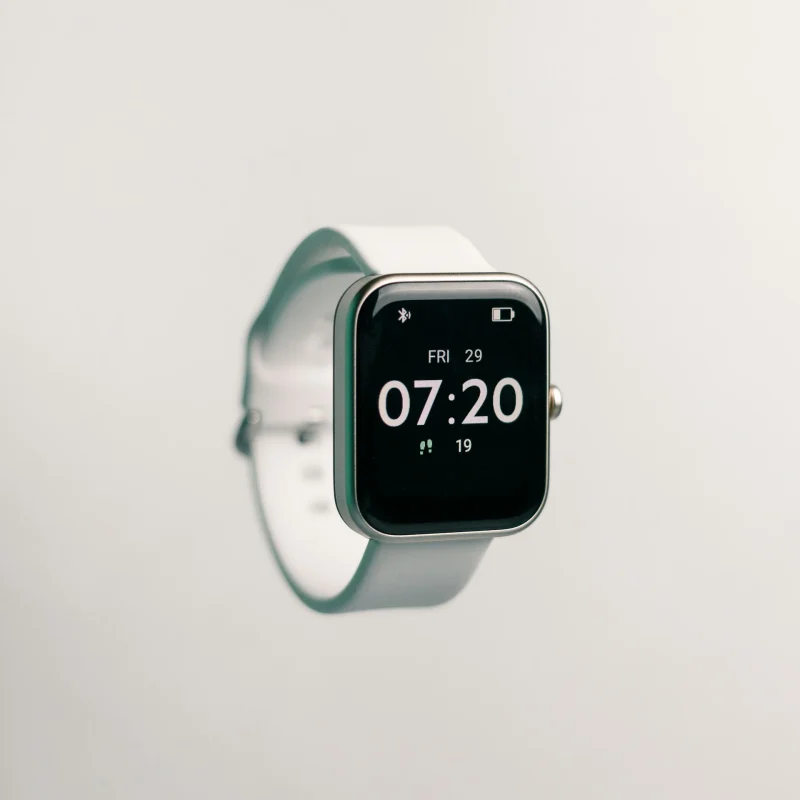
AuroraTime Field 2
Compared across 2 retailers. Last checked May 19, 2026.

Fitness Editor
Felix reviews smartwatches the way other people use them - for weeks at a time, in the field, against real reference equipment. A former sports science researcher turned consumer-tech writer, he treats every review as a comparison study: GPS tracks logged against a dedicated Garmin, heart-rate readings cross-checked with a chest strap, sleep data sanity-checked against a polysomnography device borrowed from a sleep lab. He cares less about which watch has the longest spec sheet and more about which one survives an actual marathon training block. He's been on the same wrist size for 35 years.